Case Study
The right message changes everything
Client: Northern California Green Energy Company
Challenge: Entering a new market with messaging that wasn't connecting.
The challenge
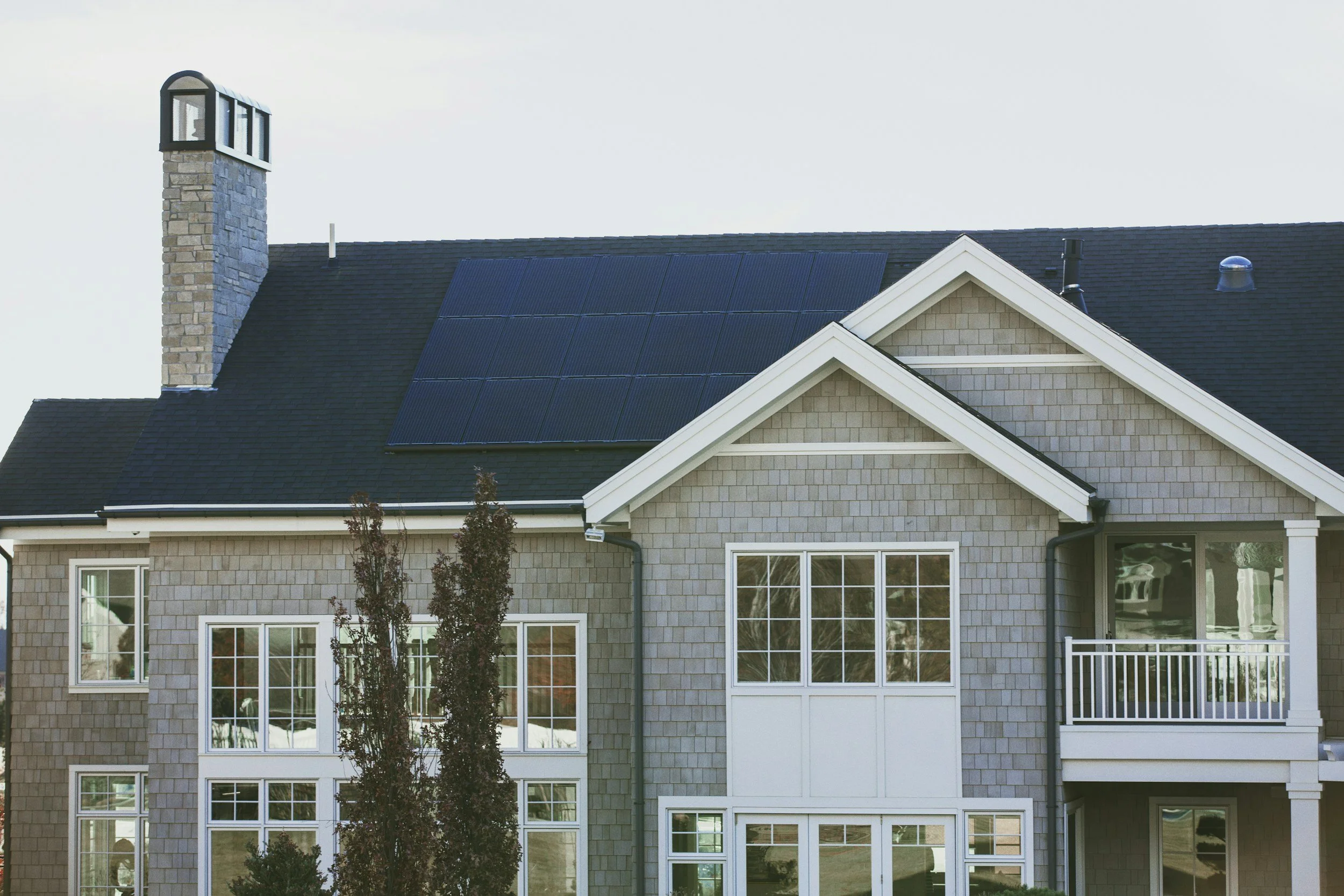
A Northern California green energy company was expanding into a new market. Its traditional messaging focused on the industry's familiar selling points: saving money, improving energy efficiency, and helping the environment.
All reasonable benefits. But they weren't resonating with the target audience.
The company needed a different way to start the conversation.
The approach
Working directly with the company's Sales Director, we challenged existing assumptions about what prospective customers wanted to hear.
Sales conversations revealed something different. Rather than asking about savings, efficiency, or environmental benefits, they were asking about service and upgrades for their existing systems.
We shifted the advertising message to address those immediate needs.
The revised messaging was then put to the test through a focused 30-day digital campaign, measuring not just clicks and website traffic, but actual sales interest.
The 30-Day Test Results
Reach
34,228
Ad impressions
2.33%
Click-through rate
Response
968
Website visits
22.4%
Contact page visit rate
Results
36
Form submissions
22.2%
SQL conversion rate
How can an average CTR of 2.3% deliver a 22%+ sales-qualified lead conversion rate?!
The secret wasn't more traffic. It was a more relevant message.
1. Speak to a specific need.
Instead of broad promises about savings and sustainability, we asked direct questions:
"Is your solar system running right?"
"Are your electric bills still climbing, even with solar?"
"Have you considered servicing or upgrading your system?"
2. Qualify before the click.
Specific, need-based messaging attracts people who recognize the problem. It also discourages casual curiosity clicks, helping focus advertising spend on prospects with relevant needs.
3. Continue the conversation.
The landing page reinforced the problem introduced in the ad and provided clear information about available services. Visitors found what they came looking for rather than encountering another generic sales pitch.
4. Qualify before the handoff.
The contact form included additional qualifying questions, including service territory requirements. This helped identify prospects the company could actually serve before passing them to sales.
The result.
36 inquiries. 25 marketing-qualified leads.
8 sales-qualified leads.
22.2% form-to-SQL conversion rate from a 30-day campaign with just $311 in Google Ads spending.
The goal wasn't more clicks.
It was better prospects.

The lesson goes beyond advertising.
The same message can appear in an advertisement, on your website, in an investor presentation, or on a keynote stage.
But the question is always the same: Does your audience care about what you're saying?
In this case, the company was leading with what it believed customers valued. The audience had other priorities.
By listening, adjusting the message, and testing the response, we discovered a more relevant way to connect.